Containers that hold their shape.
Tooling for lubricant containers, pharmaceutical and dairy bottles and grease buckets — single or multi-cavity, with Beryllium Copper placed where heat has to leave the tool.
Hot runner or cold runner, multi-cavity, for the cap that closes your container and for technical components. Designed, machined, fitted and trialled under one roof.
PET tooling built to the neck finish and capacity you run, with the cavity work done here and the first sample checked against your requirement before the mould leaves.
Tell us the kind of tooling you need and we will take it from there. If you are not sure which process suits the container, say so — that is a normal place to start.
Trusted by packaging manufacturers across Maharashtra
Different packaging needs different tooling. We develop the mould around your container geometry, cavity requirement and how you intend to run it.
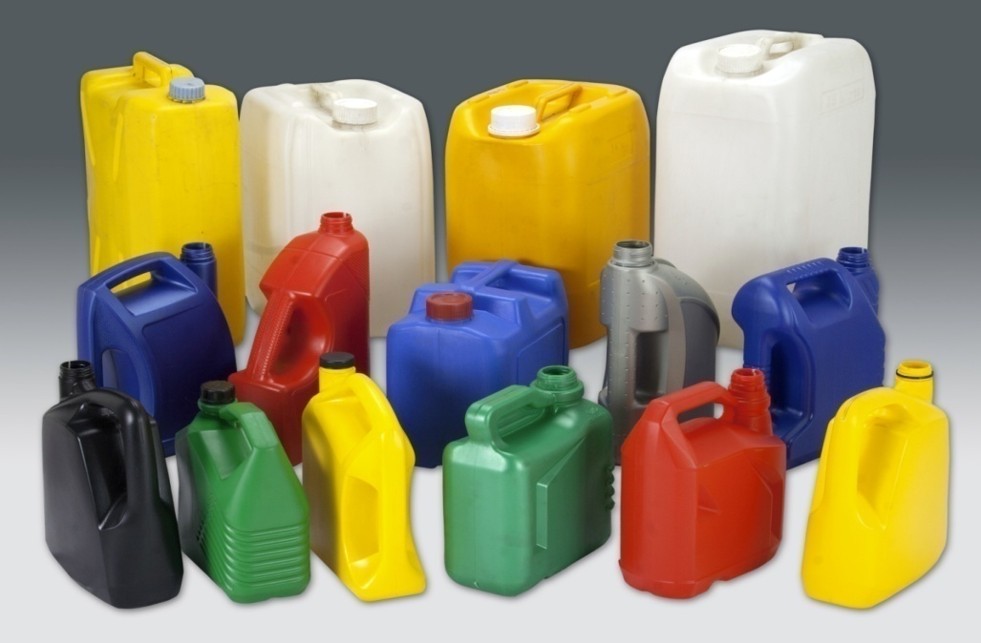
Hollow packaging — the containers your product ships in.
The caps and closures that finish the container.
PET tooling developed around your container geometry.
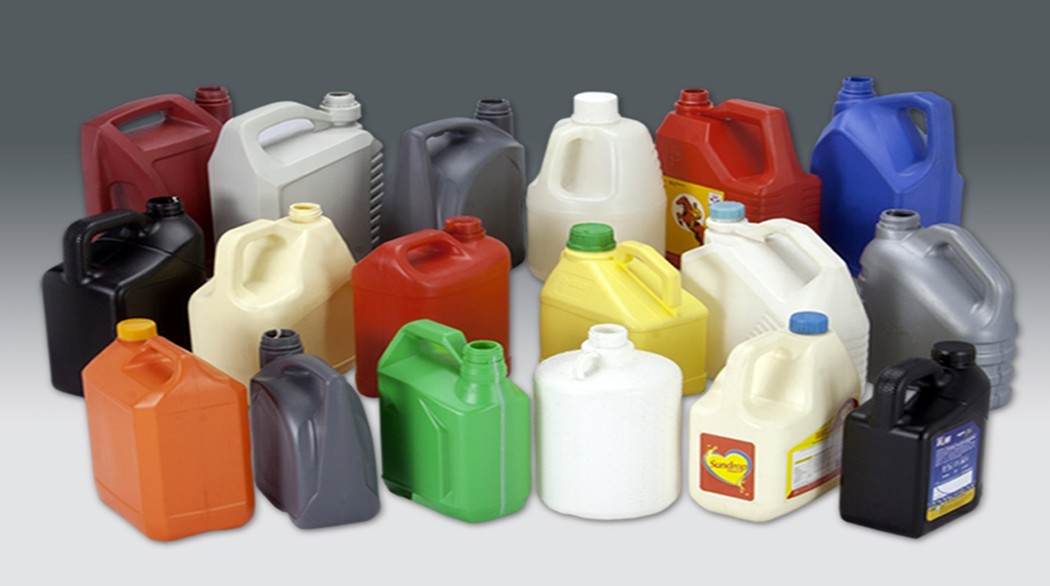
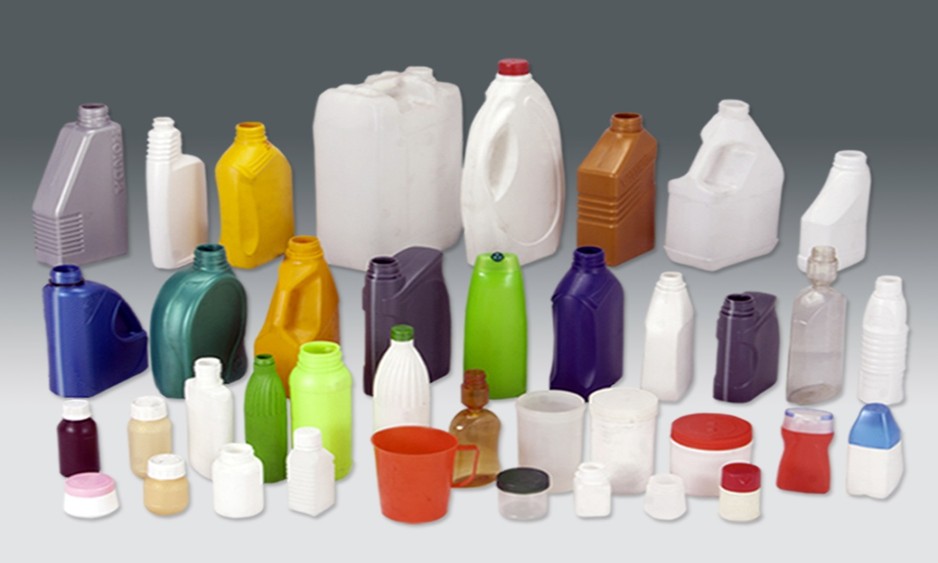
A selection of what has come out of this tool room. Ask about anything similar and we will quote it.
Nothing matches that yet — send us the requirement and we will quote it.
We build the mould. These are the parts that come out of it on our customers' lines.
Lubricant, chemical and industrial packaging.
Oil and lubricant containers in a range of capacities.
Pharmaceutical, dairy and consumer formats with their caps.
Oil containers, jerry cans and the closures that seal them.
Bottle tooling where every cavity must match the last.
Bottles, caps and closures for consumer products.
Packaging formats for dairy and liquid products.
Containers and components for industrial handling.
Engineering process
The path a mould takes here, from your order and the technical review through design, machining, fitting, trial and correction to the sample that closes the project.
Stage 01 / Order
01 of 10Your requirement, the part information and what the tooling has to achieve enter the workflow.
Real machines, photographed where they stand. You are welcome to come and see them running.
Vertical machining of cavity, core and complex three-dimensional tooling surfaces.
Flat, parallel and accurate datum surfaces on mould components.
Cylindrical work — bushes, core pins and turned components.
Cooling channels, ejector holes and tapping through heavy blocks.
Where components are fitted, aligned, polished and assembled.
Mould geometry, toolpaths and design evaluation before machining starts.
Material is a decision made against your container and how you intend to run it — not a standard specification applied to every job.
For mould components where the tool has to take production cycles and hold its form.
An aluminium tooling material used where its characteristics suit the application.
Placed selectively in inserts — pinch-offs, neck rings — where heat needs to leave the tool quickly.
A mould is only finished when the sample is right. That is the standard every tool leaves this floor on.
Draft wording, shown to each customer for their approval before it goes live.
Lubricant packaging
The tooling arrived fitted and trialled, and the first sample matched what we had agreed. That is what we need from a tool room.
Consumer packaging
Container and closure were developed together, so the pair fitted first time rather than after a round of corrections.
Caps & closures
We sent a sample rather than a drawing. The geometry was worked back from it and the mould ran as expected.
Built up across lubricant, industrial, pharmaceutical and consumer product segments.
Packaging for lubricants
Pharmaceutical & consumer products
Client names shown subject to permission and available brand-usage rights.
No stock photography. This is the floor your mould would be cut on.
What we need from you, how the work runs, and what happens when a trial is not right first time.
The container or component drawing, the capacity or part weight, the cavity requirement and the material you intend to run. A physical sample or a photograph works too — we have built tooling from both. If you have a 3D file send it; if you do not, we will develop the geometry.
It depends on cavitation and how complex the geometry is, so we give you a dated schedule with the quotation rather than a number on a website. You will know the design sign-off, machining and trial dates before you place the order.
Tooling steel where the mould has to take production cycles, and Alumec where its characteristics suit the job. Beryllium Copper is placed selectively in inserts — pinch-offs, neck rings — where heat needs to leave the tool quickly.
We make the tooling for both: blow moulds for the container, injection moulds for its cap or closure, hot runner or cold runner as needed. A good many of our projects are exactly that pair.
Yes. Customers regularly hand us a finished sample or a production-ready model and we work back from it to the tooling. It is one of the more common ways a project starts here.
It is corrected and trialled again. The tool is assembled, fitted and trialled in-house, and the first sample checked against the agreed requirement. Only when the sample is right is the mould complete.
Yes, and buyers often do before a first order. You are welcome to see the machining, grinding and fitting areas and the tooling currently on the floor. Call or message to arrange a time.
Send the drawing, the specification or a photograph of the container. We will review it and come back with a quotation and a dated schedule.